
On the morning of 26 January 2026, India awakens to a feeling that cannot be measured in headlines or ceremonies alone. It is a quiet strength, a shared emotion that flows from bustling cities to remote villages, from school courtyards to military posts guarding the nation’s borders. Republic Day is not merely a date marked in the calendar; it is a reminder of India’s collective conscience—one shaped by sacrifice, resilience, and an unshakeable belief in democratic values.
As the national flag rises and the tricolour finds its way into millions of homes, something deeper unfolds. The day calls upon every Indian to remember not just the freedom that was won, but the responsibility that came with it.
As the nation prepares to observe Republic Day on 26 January 2026, this occasion invites reflection on the values, history, and unity that define India’s democratic identity.
The significance of 26 January goes far beyond celebration. On this day in 1950, India formally became a Republic, adopting a Constitution that transformed the aspirations of a newly independent nation into a living framework of rights, duties, and justice.
This moment was not accidental. The date was chosen deliberately to honour the Purna Swaraj declaration of 1930, when Indians collectively resolved to govern themselves. Twenty years later, that resolve took the form of the Constitution—one of the most comprehensive and progressive documents of its time.
Republic Day, therefore, marks the transition from colonial rule to self-governance, from struggle to structure, from dreams to duty. It reminds citizens that independence is sustained not by memory alone, but by continued commitment to constitutional values.
At the heart of Republic Day lies the Indian Constitution—a document that does more than define governance. It reflects the soul of the nation.
Drafted after years of debate, disagreement, and dialogue, the Constitution sought to balance diversity with unity, freedom with discipline, and power with accountability. It promised equality in a society long divided, justice in a land shaped by inequality, and liberty in a country emerging from centuries of subjugation.
On 26 January 2026, as India marks another year of its republican journey, the Constitution stands as a silent yet powerful reminder that democracy is not inherited—it is practiced.
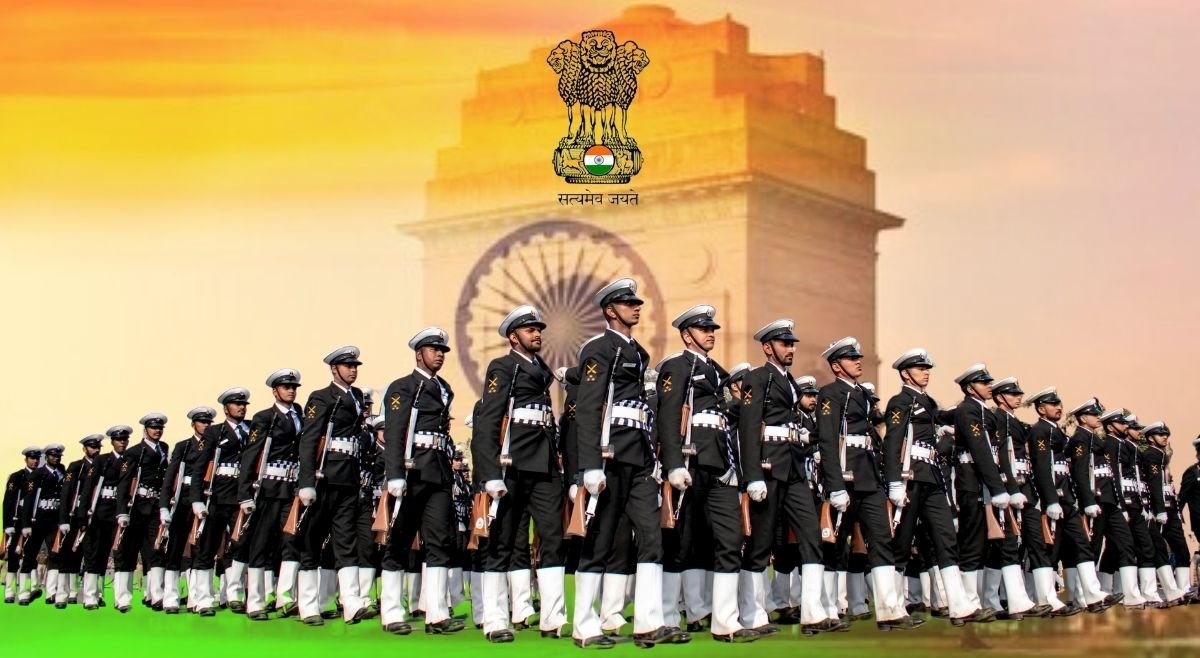
From the grand ceremonial parade in the national capital to modest flag-hoisting events in schools and neighbourhoods, Republic Day celebrations reflect the vastness and intimacy of India’s identity.
India's military might, cultural diversity, and technological advancements are all on display during the march. Yet, beyond the precision and pageantry lies a deeper message: India’s strength flows from discipline, unity, and shared purpose.
In small towns and villages, children dress as freedom fighters, teachers recount stories of sacrifice, and elders watch with pride as the next generation learns the meaning of citizenship. These moments, though quiet and untelevised, carry the true spirit of the Republic.
Republic Day has a unique ability to bridge differences. Language, region, religion, and social background fade into the background as the nation gathers under one flag.
For a soldier standing guard at the border, it is a reminder of why the sacrifice matters. For a farmer watching the parade on a small screen, it is reassurance that his contribution is part of a larger national story. For students, it becomes a lesson in identity and responsibility.
This emotional bond—felt rather than spoken—is what transforms Republic Day from a formal occasion into a deeply personal experience.
In recent years, the idea of patriotism has often been reduced to symbols, slogans, and social media displays. Republic Day challenges this narrow understanding.
True patriotism is not confined to one day of celebration. It lives in everyday actions—following the law, respecting differences, standing against injustice, and contributing positively to society. It is reflected in how citizens treat one another and how institutions uphold fairness and accountability.
On 26 January 2026, India is reminded that love for the nation is strongest when it aligns with compassion, responsibility, and integrity.
India’s future rests largely in the hands of its youth, and Republic Day plays a crucial role in shaping their understanding of nationhood.
For young Indians, the day is an opportunity to look beyond textbooks and examine the values that sustain democracy. It encourages them to ask important questions: What does freedom mean today? How can equality be ensured in practice? What responsibilities accompany rights?
As the nation evolves, the participation of informed, ethical, and engaged citizens becomes essential. Republic Day serves as a reminder that democracy thrives only when its people remain vigilant and involved.
Republic Day honours the sacrifices of those who fought for freedom and those who continue to protect the nation. Yet, it does so without glorifying conflict.
The focus remains on peace, unity, and progress. By remembering the past with humility, Republic Day encourages India to move forward with wisdom rather than resentment.
As one of the world’s largest democracies, India’s observance of Republic Day sends a powerful message globally. It demonstrates that diversity and democracy can coexist, that dialogue can prevail over discord, and that constitutional values can guide a nation through change.
On 26 January 2026, India’s celebration is not inward-looking. It reflects a commitment to global principles of peace, cooperation, and mutual respect—values increasingly important in a fractured world.
Republic Day is also a moment for honest reflection. While India has made significant progress, challenges remain—social inequality, economic disparity, misinformation, and institutional pressures.
A mature democracy recognizes its flaws and works collectively to address them. Republic Day encourages citizens to engage critically, not cynically, with the nation’s journey.
As the day unfolds and celebrations conclude, Republic Day leaves behind a quiet promise.
A promise to uphold the Constitution not just in courts and classrooms, but in everyday interactions. A promise to listen more than accuse, to unite more than divide, and to build more than destroy.
The tricolour may be folded away at sunset, but its meaning continues—in conversations, decisions, and actions taken long after the day ends.
26 January 2026 is not about perfection; it is about perseverance. It is about a nation that continues to believe in itself, despite differences and difficulties.
When India stands united in pride and patriotism, it does not deny its complexities—it embraces them. It acknowledges its past, engages with its present, and commits to shaping a more inclusive future.
Republic Day, at its core, reminds every Indian that the strength of the nation lies not in uniformity, but in unity—and that unity is renewed each year through shared values, collective responsibility, and unwavering hope.
ExploreRealNews is a digital news and knowledge platform committed to delivering credible, insightful, and human-centred stories across education, society, culture, national affairs, and global developments. Our editorial focus goes beyond headlines to explore the emotions, values, and realities that shape everyday life.
We aim to inform, inspire, and engage readers through responsible journalism, factual accuracy, and thoughtful storytelling—bringing clarity to complex issues while staying rooted in truth, integrity, and public interest. Follow us on facebook, Instagram, Linkedln and twitter for regular updates.