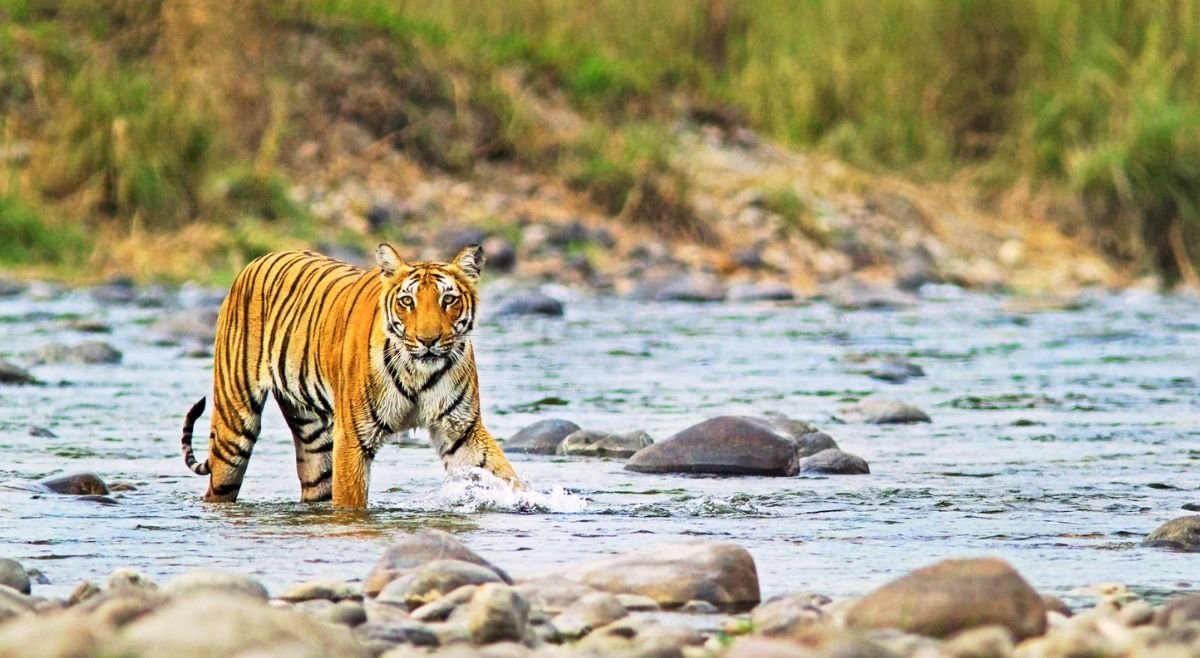

India is one of the few countries in the world where wilderness still feels alive. From the silent prowl of a tiger in the dense forests of Central India to the sight of a one-horned rhinoceros grazing calmly in the grasslands of Assam, a wildlife safari here is not just a trip—it’s an experience that stays with you long after you return.
If you’re planning a wildlife safari in India for the first time (or even the second), there are several things you should know before packing your bags. Unlike casual sightseeing trips, safaris demand preparation, patience, and respect for nature. This guide walks you through everything—from choosing the right destination to understanding safari rules—so you can enjoy the wild responsibly and memorably.
India’s wildlife diversity is unmatched. The country is home to nearly 8% of the world’s biodiversity and offers varied ecosystems—rainforests, mangroves, deserts, wetlands, grasslands, and alpine regions.
What makes India special is not just the variety of animals, but how deeply wildlife is woven into the landscape and culture. National parks and reserves are spread across the country, each with its own personality, terrain, and signature species.
Whether you’re hoping to spot a tiger, photograph exotic birds, or simply experience untouched forests, India offers safari experiences for every kind of nature lover.
Not all wildlife parks are the same, and selecting the right one depends on what you want to experience.
For Big Cat Enthusiasts
If your dream is to see a tiger in the wild, central India is your best bet. Forests here are dense, ancient, and ideal for large predators.
These regions are known for:
However, tiger sightings are never guaranteed—and that’s part of the magic. A safari is about the journey, not just the sighting.
If you want to see species that are rare or region-specific, look beyond the usual circuits. India’s northeastern and eastern regions offer fascinating wildlife experiences, including:
These safaris often feel more raw and less commercial, which many travelers appreciate.
India is a paradise for bird lovers. Wetlands, mangroves, and forest reserves attract thousands of resident and migratory birds each year.
If photography is your goal:
Timing can make or break your safari experience.
Peak Safari Season
Most wildlife parks in India are open from October to June, with closures during the monsoon months to protect forest ecosystems.
While summer months can be hot, they often offer better visibility.
Many national parks remain closed between July and September. However, some buffer zones or private reserves may still allow limited access. These periods are ideal for travelers who prefer greenery over sightings.
Safari experiences in India are diverse and cater to different travel styles.
The most popular and widely available option. Conducted in open 4×4 vehicles, jeep safaris allow close interaction with nature while maintaining safety.
Larger vehicles that accommodate more people. While slightly less intimate, they’re budget-friendly and suitable for families or groups.
Offered in select reserves, these safaris provide a completely different perspective, especially in wetland and river-based ecosystems.
Available in limited areas under expert supervision. These are ideal for travelers interested in flora, tracks, and forest ecology rather than big animal sightings.
A wildlife safari is not a zoo visit. Animals roam freely, and sightings depend on luck, timing, and silence.
Some days you might spot multiple animals; other days, the forest itself becomes the highlight. Both experiences are equally valuable.
India’s wildlife parks are protected areas, and strict rules ensure safety and conservation.
Violating these rules not only puts wildlife at risk but can also lead to penalties.
Packing wisely can greatly enhance your experience.
Avoid perfumes or strong fragrances, as they can disturb wildlife.
Staying close to the park increases your chances of early access and relaxed safaris.
Options include:
Look for accommodations that follow responsible tourism practices and support local communities.
Safari slots in popular parks fill quickly, especially during peak seasons.
Booking through authorized portals or trusted operators is always recommended.
Wildlife tourism works best when travelers act responsibly.
You can contribute by:
Remember, the forest is home to animals—we are only guests.
Yes, with the right planning.
Safaris can be educational and inspiring for young minds when approached thoughtfully.
One of the most important things to understand is that wildlife safaris are unpredictable. Seeing a tiger or leopard is thrilling, but not guaranteed.
Sometimes, the most memorable moments come from:
If you go with an open mind, every safari becomes special.
Planning a wildlife safari in India is about more than ticking destinations off a list. It’s about slowing down, reconnecting with nature, and understanding the delicate balance that sustains life in the wild.
With the right preparation, respectful behavior, and realistic expectations, your safari can become one of the most rewarding travel experiences of your life.
India’s forests have stories to tell—step in quietly, and let nature speak.
Follow us on facebook, Instagram, Linkedln and twitter for travel reels, itinerary tips, and soulful destinations.