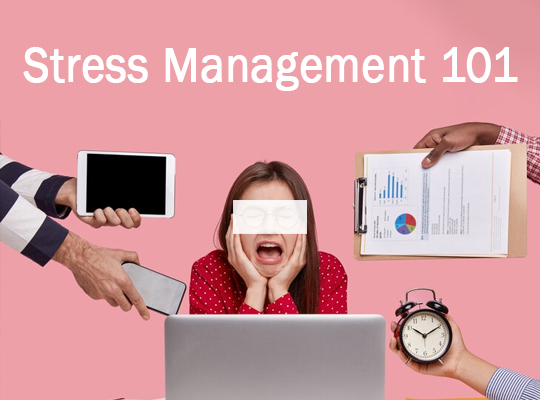

In today’s always-on world, stress has quietly become a constant companion for many of us. From tight work deadlines and financial pressures to family responsibilities and digital overload, life often feels like a race with no finish line. While a little stress can push us to perform better, ongoing and unmanaged stress can slowly wear us down—mentally, emotionally, and physically.
Fortunately, stress doesn't have to take over your life. With the right mindset and practical strategies, you can learn to manage stress effectively and restore balance, calm, and clarity. This guide explores realistic, science-backed, and easy-to-follow stress management techniques designed for real life—not perfection.
Stress is the natural response to pressure, danger, or challenge. When you perceive a threat—whether it’s a looming deadline or an emotional conflict—your body releases stress hormones like cortisol and adrenaline. Hers's the main agenda is that your protection is first.
In short bursts, stress can be helpful. It sharpens focus and boosts energy. But when stress becomes chronic, the body stays in a constant state of alert. Over time, this can lead to:
Recognizing stress as a signal—not a weakness—is the first step toward managing it wisely.
Not all stress comes from the same source. What overwhelms one person may barely affect another. That’s why self-awareness is key.
Try noting down moments when you feel anxious, tense, or emotionally drained. Ask yourself:
Keeping a simple stress journal for a week or two can reveal patterns. Once you identify your main triggers, you can plan healthier responses instead of reacting automatically.
Relaxation isn’t about doing nothing—it’s about calming your nervous system. There can be a discernible difference with just a few minutes each day.
Deep, slow breathing tells your brain that you are secure. Try inhaling through your nose for four seconds, holding briefly, and exhaling through your mouth for six seconds. Repeat for five minutes.
You don’t need to be an expert. Sitting quietly and focusing on your breath or a calming word can help quiet mental noise and improve emotional balance.
Using this method, various muscle groups are tightened and released. It aids in releasing the body's stored physical tension.
Many people experience stress as a result of continuously prioritizing the needs of others over their own. Self-care is not selfish—it is essential.
Taking care of yourself can include:
When your physical and emotional needs are met, you are better equipped to handle life’s challenges.
One of the biggest sources of stress is overcommitment. Saying “yes” too often leaves little room to breathe.
Healthy boundaries are not walls—they are guidelines that protect your well-being and energy.
Poor time management can turn simple tasks into major stressors. here is the goal isn’t to do stress more—it’s to do what matters impacting your lifestyle.
Helpful time-management tips include:
Remember, productivity without rest leads to exhaustion, not success.
Stress feels heavier when carried alone. Sharing your thoughts with someone you trust can instantly lighten the load.
Talking to friends, family members, or colleagues helps:
If stress feels overwhelming or persistent, seeking support from a therapist or counselor is a sign of strength, not failure.
A lot of stress comes from worrying about things beyond our control—other people’s behavior, past mistakes, or uncertain outcomes.
Instead:
Acceptance doesn’t mean giving up; it means choosing peace over constant resistance.
Being completely present in the present moment without passing judgment is the practice of mindfulness. It helps to minimize concern about the future and sorrow about the past.
You can practice mindfulness by:
Over time, mindfulness builds emotional resilience and mental clarity.
Sometimes, stress becomes too heavy to manage alone. If stress starts interfering with daily life, work, or relationships, professional help can be life-changing.
Mental health professionals can help you:
Seeking help early prevents stress from escalating into burnout or anxiety disorders.
Gratitude shifts your focus from what’s wrong to what’s working. Even during difficult times, there are small moments worth appreciating.
Gratitude doesn’t erase problems—but it changes how you experience them.
Stress is a natural part of life, but it doesn’t have to define your experience. Managing stress is not about eliminating challenges—it’s about responding to them with awareness, balance, and compassion.
By understanding your stress, practicing relaxation, setting boundaries, staying connected, and caring for yourself consistently, you can build a calmer, more resilient life.
Remember, progress matters more than perfection. Take one small step today, and allow yourself the grace to grow at your own pace.
Share your experience in the comments here. Follow us on facebook, Instagram, Linkedln and twitter for the lifestyle improvement stories and updates.