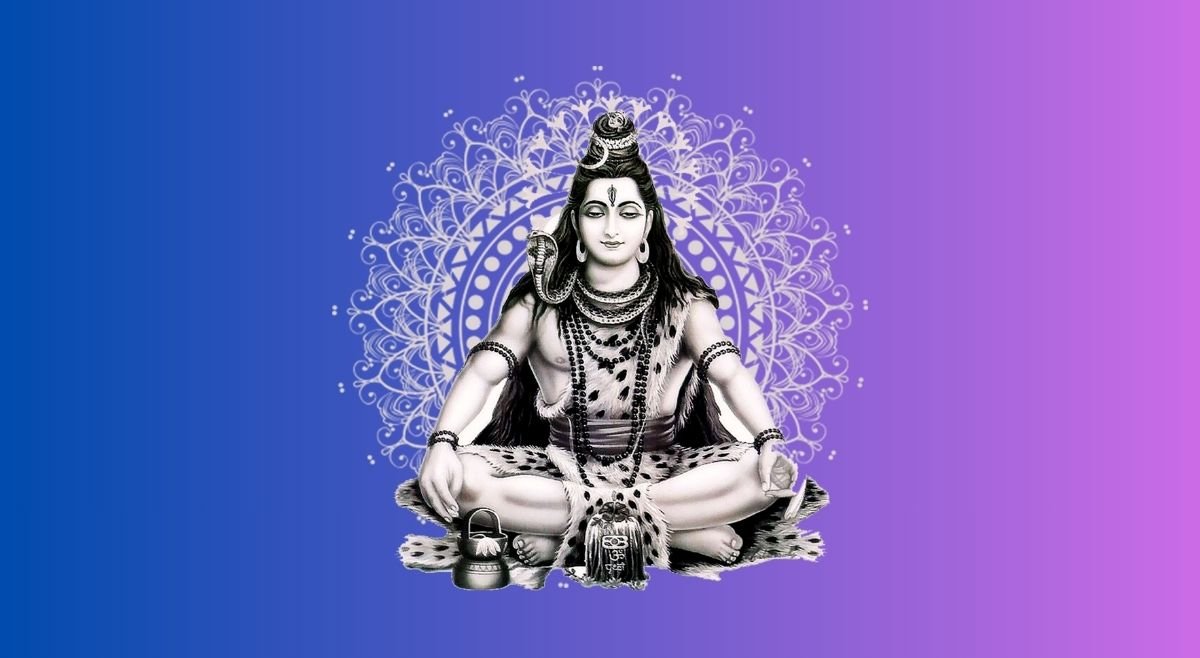

There are certain nights that feel different even before they arrive. The air becomes quieter, thoughts slow down, and somewhere deep inside, a longing for stillness begins to rise. Mahashivratri is one such night—a night not meant for celebration in the usual sense, but for awakening.
Mahashivratri is dedicated to Lord Shiva, the eternal yogi, the destroyer of ignorance, and the embodiment of pure consciousness. While most Hindu festivals are celebrated with light, sound, and outward joy, Mahashivratri invites us inward—toward silence, discipline, and self-realization.
In 2026, Mahashivratri once again offers this sacred pause, reminding humanity that transformation begins within.
According to the Hindu Panchang, the observance details for Mahashivratri 2026 are:
Mahashivratri is observed during the Krishna Paksha Chaturdashi of the Phalguna month. Devotees consider the night hours—especially midnight—to be the most spiritually charged time for Shiva worship.
The most sacred phase of Mahashivratri is Nishita Kaal, which falls around midnight. Scriptures and spiritual traditions agree that prayers offered during this period carry the highest spiritual merit.
Traditionally, devotees perform four Prahar Pujas, dividing the night into four equal parts. Each Prahar symbolizes a step closer to spiritual awakening—moving from discipline to surrender.
Mahashivratri literally means “The Great Night of Shiva.” But spiritually, it represents much more than a single night.
In yogic philosophy, Shiva is not merely a deity—he is a state of consciousness. He represents:
Mahashivratri is believed to be the night when cosmic energies naturally rise, making meditation easier even for ordinary individuals. This is why sages, yogis, and seekers have revered this night for centuries.
One of the most profound stories associated with Mahashivratri comes from the Shiv Puran.
Once, a disagreement arose between Lord Brahma and Lord Vishnu over who was supreme. To dissolve their ego, Lord Shiva appeared as an endless pillar of divine light—the Jyotirlinga. He challenged both gods to find its beginning and end.
Brahma traveled upward, Vishnu downward. Ages passed, yet neither succeeded.
Finally, Vishnu accepted defeat with humility. Brahma, however, falsely claimed success.
At that moment, Shiva revealed himself, declaring that truth and humility lead to liberation, while ego leads to downfall. This revelation occurred on Mahashivratri, making the night symbolic of truth over pride, awareness over illusion.
Another deeply moving Mahashivratri story reflects the festival’s human essence.
A poor hunter once climbed a Bilva tree to escape wild animals on Mahashivratri night. Unknowingly, as he plucked leaves to stay awake, they fell upon a Shivling below. He also poured water from his pot to quench thirst—again onto the Shivling.
By morning, Lord Shiva appeared and blessed him, saying that pure intention outweighs perfect rituals.
This story reminds us that Mahashivratri is not about flawless worship—but about the sincerity of heart.
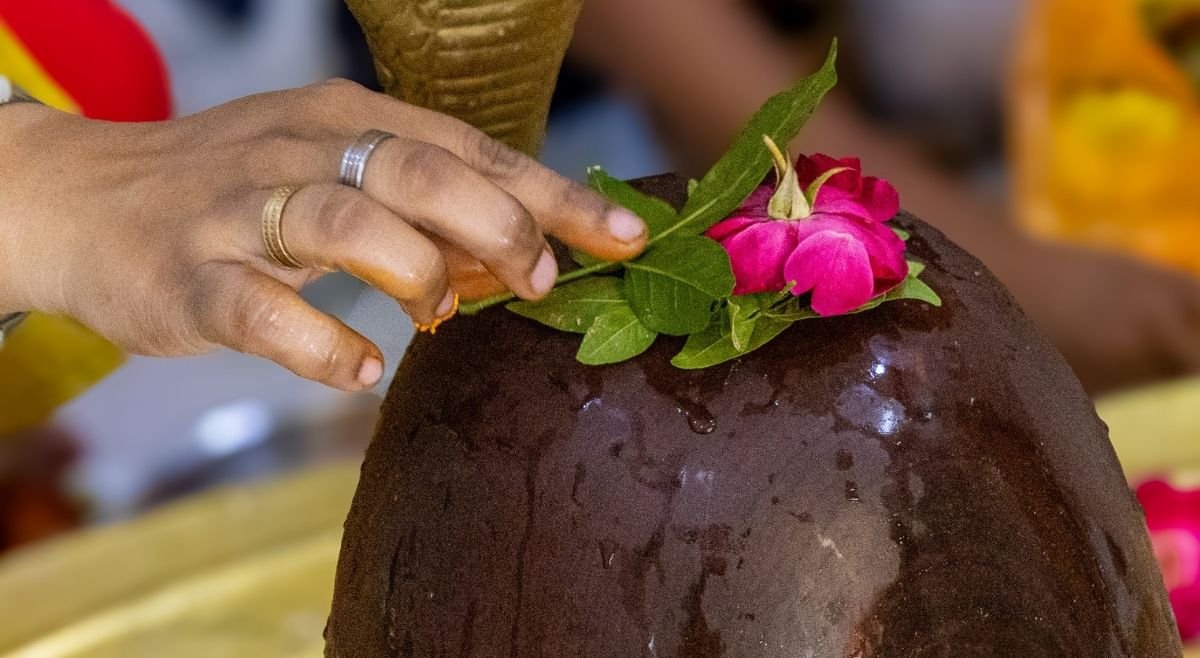
Abhishekam is the central ritual of Mahashivratri. Each offering carries symbolic meaning:
The Shiv Puran states that even a single Abhishekam done with devotion can dissolve accumulated negativity.
According to Shiv Puran, offering Bilva leaves is greater than offering gold.
The three leaves of the Bilva represent:
Offering them signifies surrendering all aspects of life to Shiva.
Each Prahar has spiritual importance:
Fasting is not merely about abstaining from food—it is about control over desires.
Shiv Puran teaches that fasting must be accompanied by kind speech, patience, and compassion.
Many devotees share a common experience: meditation feels deeper on Mahashivratri.
This is because planetary alignment naturally supports:
Even beginners find it easier to sit in silence on this night.
Today, Mahashivratri is observed not only in temples but also in:
For some, it is a religious ritual.
For others, it is a night of introspection.
For many, it is a reminder to slow down and reconnect.
Mahashivratri 2026, observed on the sacred night of 15 February, is not about perfection—it is about presence.
Lord Shiva does not demand luxury, elaborate rituals, or status. The Shiv Puran reminds us that a quiet heart, a truthful mind, and sincere devotion are enough.
As the world sleeps, those who stay awake on Mahashivratri awaken something timeless within themselves.
At ExploreRealNews, we bring you well-researched, easy-to-understand content on spirituality, culture, current affairs, and everyday life. Stay connected with us for authentic stories, meaningful insights, and timely updates that truly matter. Follow us on facebook, Instagram, Linkedln and twitter for festive real stories.
Har Har Mahadev