From Ancient Rituals to Modern Art: Mehndi Evolution
Look down at your hands. They tell a story. They show the hard work of a long day, the gentle touch of a loved one, the lines of experience and laughter. Now, imagine adorning those hands with a story that everyone can see—a story of culture, celebration, and connection. This is the magic of henna, or mehandi.
For thousands of years, across continents and communities, people have turned to the humble henna plant to mark their most important moments. It’s more than a temporary tattoo; it’s a living, breathing language of the skin. Each swirl, dot, and line is a sentence in a story that has been passed down through generations.
The Living Legacy: A Journey Through Henna's History
Imagine a plant whose leaves hold the power to tell stories. For over five thousand years, the henna shrub has been that very narrator, its stain etching tales of life, love, and faith onto the skin of millions. Its journey is a map of human connection, beginning in the sun-baked lands of ancient Egypt and North Africa, where it was first used for its cooling properties and as a natural cosmetic.
From there, henna traveled. It moved with merchants along the Silk Road, was carried in the saddlebags of traders across the Arabian Peninsula, and eventually found a vibrant, welcoming home in the Indian subcontinent. It was in India that henna truly blossomed from a simple adornment into a profound cultural language. Each region that embraced it didn't just copy the art; they wove it into the fabric of their own identity, adding new vocabulary to its visual grammar.
This global journey created a beautiful diversity of styles:
- In the Indian tradition, mehandi became a canvas for intricate storytelling. The designs are dense and elaborate, featuring fine lines that form peacocks, sacred flowers, and spiritual symbols, each element brimming with meaning.
- Arabic henna took a different path, favoring boldness and expression. Its designs are characterized by large, flowing floral patterns and lush vines that complement the natural shape of the hands and feet, using negative space as powerfully as the stain itself.
- In Morocco, the indigenous Berber style tells a story of heritage and protection through strong, geometric shapes and symbols passed down through generations.
Though the styles differ, they share a common root. The same plant that stains the hands of a bride in Rajasthan also adorns a celebrant in Dubai. It’s a testament to how a single, simple element of nature can be interpreted in a thousand beautiful ways, creating a unique dialect of design in every culture it touches.
A Tapestry of Techniques: The Different Styles of Mehndi
While the essence of mehndi is universal, its expression varies dramatically, each style telling a different part of the cultural story.
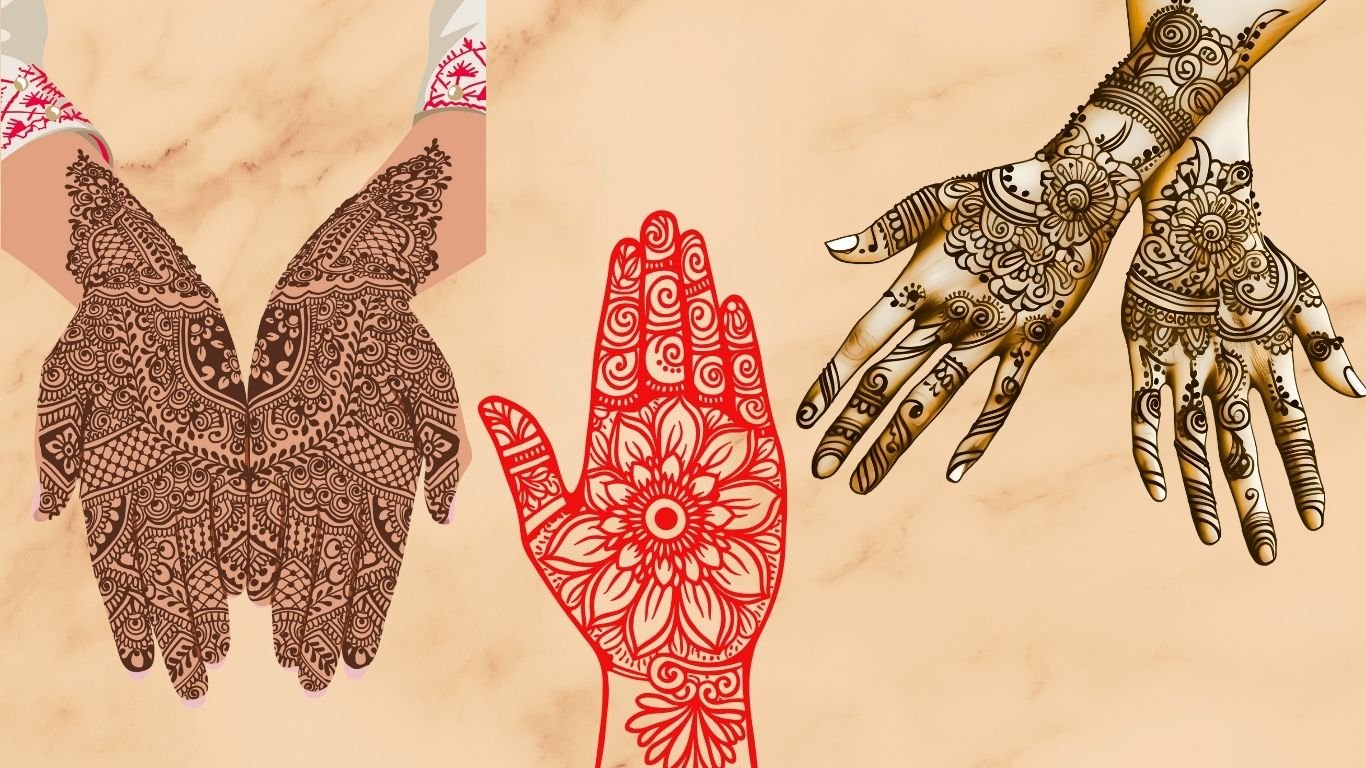
- Indian Mehndi: This style is the epitome of intricacy. Known for its fine, hair-thin lines and dense, lace-like patterns, it often covers the entire hand and forearm like a glove. The designs are a rich tapestry featuring peacocks, lotus flowers, detailed paisleys (mango motifs), and religious symbols. The goal is often to create a breathtaking, full-coverage masterpiece, making it a top choice for brides.
- Arabic Mehndi: If Indian mehndi is a detailed novel, Arabic mehndi is a bold, expressive poem. This style is characterized by large, prominent floral and vine patterns—think roses, lilies, and sweeping leaves. It strategically uses negative space, allowing the natural skin to be part of the design, creating an elegant and less dense look that is both striking and airy.
- Pakistani Mehndi: Sitting at a beautiful crossroads, Pakistani mehndi is a sophisticated fusion. It combines the fine-line detail and complexity of Indian designs with the bold, open floral elements of Arabic style. The result is a balanced and highly artistic look that is both intricate and clearly defined.
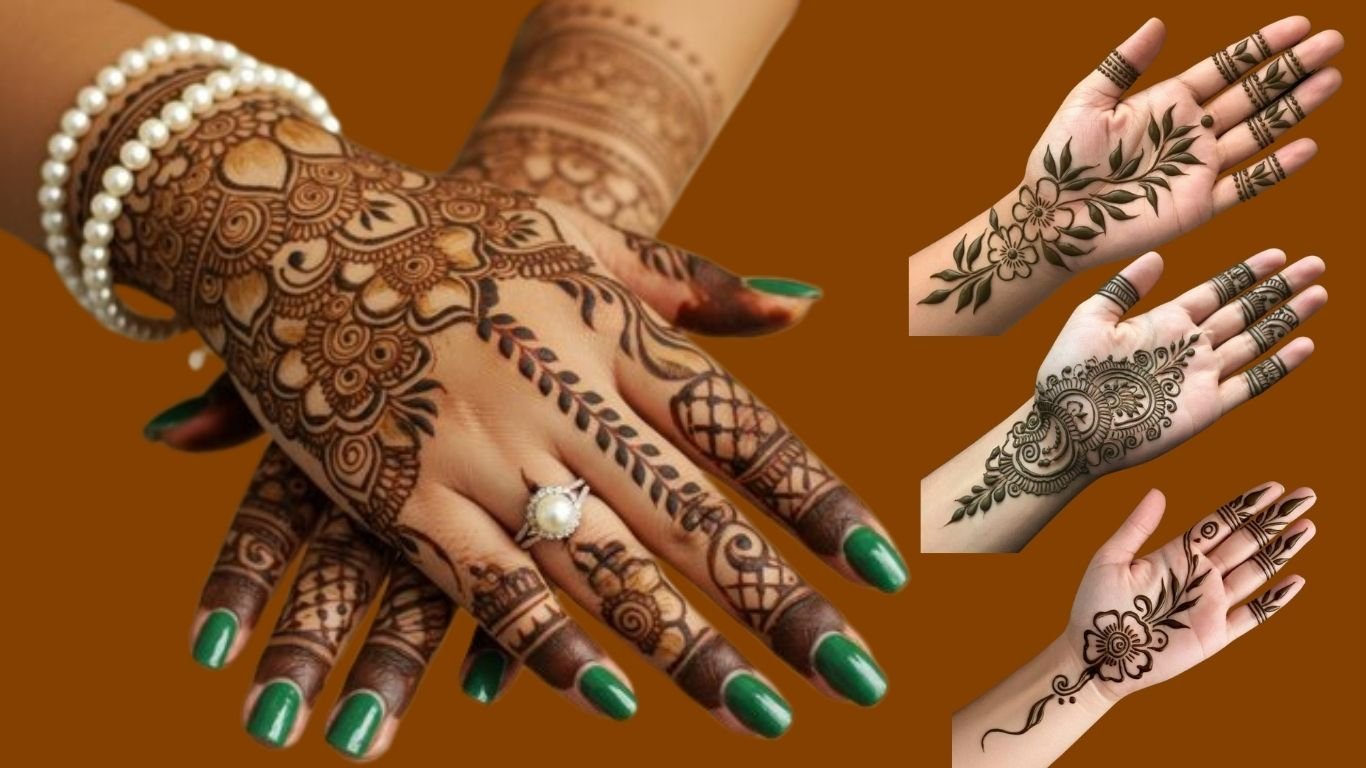
- Modern & Fusion Mehndi: Today’s mehndi artists are the new storytellers, blending tradition with personal expression. This includes minimalist designs (like a single floral motif on the palm), "glitter mehndi," and patterns featuring geometric shapes, celestial bodies, or even portraits. This style proves that mehndi is a living, evolving art form.
The Chapters of Life: When Do We Write These Stories?
We don’t apply henna on an ordinary Tuesday for no reason. We reserve it for the chapters of our lives that are worth remembering.
- The Chapter of Love: The bridal mehndi ceremony is perhaps the most famous chapter. It’s a day filled with songs, blessings, and the quiet anticipation of a new beginning. The designs are the most elaborate, often hiding the groom’s initials for him to find—a secret love note in a tapestry of art. The belief is simple and profound: the darker the henna stain, the deeper the love.
- The Chapter of Faith: During festivals like Eid, Diwali, and especially Karwa Chauth, henna becomes a symbol of devotion. For Karwa Chauth, as women fast for the well-being of their partners, applying henna is a sacred ritual. The patterns, sometimes featuring moons and karwas (pots), are a visual prayer and a public declaration of love and commitment that stains the skin for the duration of the fast and beyond.
- The Chapter of Blessing: In many cultures, henna is applied to ward off the "evil eye" and invite good fortune. It’s a shield of positivity, a way of marking the body with hope for a new journey, a new baby, or a new home.
The Modern Sequel: Your Personal Narrative
Today, the story of henna is still being written, and you can be the author. The beautiful thing about this ancient tradition is its capacity for personal expression.
You don’t have to be a bride or observing a festival to wear henna. Perhaps you want to:
- Celebrate your graduation with a design that incorporates your field of study.
- Honor a personal journey of growth with a symbol that has meaning to you.
- Simply appreciate the beauty of the art form on a sunny day.
- Modern henna artists are fusing traditional patterns with contemporary elements—from minimalist finger tattoos to designs featuring galaxies, animals, or quotes. The culture on your skin can now be your culture, your story, told through this timeless medium.
A Sacred Bond: The Deep Connection Between Henna and Karwa Chauth
Among all the celebrations, the bond between henna and the festival of Karwa Chauth is particularly profound and beautiful. It’s more than just adornment; it’s an integral part of the ritual's emotional and spiritual fabric.
- A Symbol of Love and Sacrifice: On Karwa Chauth, married women observe a day-long fast for the longevity and well-being of their husbands. The application of mehndi the night before or on the morning of the fast is a sacred rite. The deep, reddish-brown stain is seen as a visible emblem of their love and the strength of their marital bond. There's a beloved folk belief that the darker the henna stains, the more her husband will cherish her.
- Incorporating the Festival's Symbols: Karwa Chauth mehndi designs are often unique. Artists frequently weave specific symbols into the patterns:
- The Moon (Chand): The fast is broken only after sighting the moon at night. Thus, moon motifs are commonly hidden within the design.
- The Karwa (Pot): The ceremonial pot used during the rituals is also a popular element.
- The Swan (Karwa Bird): Another symbol associated with the festival.
- Her Husband's Name: Many women have their husband's name intricately hidden within the pattern for him to find.
- A Ritual of Camaraderie and Patience: The mehndi application before Karwa Chauth is a social event. Women often gather together, sharing stories, singing songs, and strengthening their bonds. The process itself—sitting still, waiting for the paste to dry—is a practice of patience and mindfulness, setting a contemplative tone for the sacred fast ahead.
Your Story Awaits
The beautiful thing about this ancient tradition is that there is always room for your narrative. Whether you are a bride, a woman observing a sacred fast, or someone who simply appreciates beautiful art, your skin can be the canvas.
The henna stain will inevitably fade, but the memory of the moment it was applied—the laughter, the love, the patience—becomes a permanent part of your story. So, the next time you see the rich, reddish-brown patterns of mehndi, don’t just see a decoration. Read it. It’s a story of culture, a testament to love, and a celebration of life itself.
At ExploreRealNews.com, we celebrate such timeless traditions that continue to shape our culture and identity. Through stories like these, we reconnect with heritage while understanding how ancient practices still find a place in modern lives. stay tuned to our website and follow us on facebook, Instagram, Linkedln and twitter for Astrology tips that matter to you.