

In Hinduism, Tulsi Vivah holds immense religious and cultural significance. It marks the ceremonial marriage of Goddess Tulsi—a manifestation of Mahalakshmi—to Lord Shaligram, an incarnation of Lord Vishnu. This sacred ritual symbolizes the beginning of the Hindu wedding season and the end of the Chaturmas (the four holy months when Lord Vishnu is believed to rest). Tulsi Vivah is celebrated with great devotion in temples, homes, and community spaces across India.
Let’s explore in detail the Tulsi Vivah 2025 date, auspicious muhurat (timing), puja vidhi (rituals), and its deep spiritual significance.
According to the Hindu Panchang, the Tulsi Vivah 2025 will be celebrated on Sunday, November 2, 2025. The Dwadashi Tithi of the Shukla Paksha in the month of Kartik will begin on November 2, 2025, at 7:31 AM and end on November 3, 2025, at 5:07 AM. Hence, the main celebration and rituals will be performed on November 2.
This day follows Dev Uthani Ekadashi, also known as Prabodhini Ekadashi, when Lord Vishnu awakens after four months of divine rest. From this day onwards, all auspicious and marital ceremonies are considered favorable. Tulsi Vivah marks the start of the grand wedding season in the Hindu calendar.
Performing the rituals at an auspicious time enhances the spiritual power of the ceremony. Below are the favorable muhurats for Tulsi Vivah 2025:
These periods are ideal for conducting the Tulsi Vivah rituals at home or in temples.
The Tulsi Vivah Puja Vidhi is performed with devotion, simplicity, and joy. Married women usually observe a fast on this day for the long life of their husbands and the prosperity of their families. Unmarried women perform it to seek a good husband and marital bliss.
This divine ceremony represents the union of devotion, purity, and prosperity.
Tulsi Vivah is not just a ritual but a powerful symbol of faith and devotion. It is said that one who performs or witnesses the Tulsi Vivah attains immense spiritual merit equivalent to performing Kanyadaan (the act of giving away one’s daughter in marriage).
According to Hindu mythology, Tulsi was a devoted follower of Lord Vishnu. In her previous birth, she was known as Vrinda, the wife of the demon king Jalandhar. Her unwavering chastity and devotion gave Jalandhar immense power. To protect the universe, Lord Vishnu took the form of her husband and broke her chastity. Heartbroken, Vrinda cursed Vishnu to become a stone, turning him into Shaligram, and later immolated herself. From her ashes grew the Tulsi plant, which was then married to Shaligram, symbolizing divine reunion.
Thus, Tulsi Vivah represents forgiveness, divine love, and the victory of faith and devotion. It is believed that worshipping Tulsi on this day brings peace, happiness, and prosperity to the household.
Performing Tulsi Vivah is said to bring multiple blessings, both spiritual and material:
In many Indian states—especially Uttar Pradesh, Bihar, Gujarat, Maharashtra, and Rajasthan—Tulsi Vivah is celebrated as a grand social and religious festival. Communities gather to sing bhajans, perform kirtans, and witness the symbolic divine marriage.
Tulsi Vivah teaches the values of faith, purity, and devotion. It reminds devotees that the bond between Tulsi and Vishnu represents eternal spiritual love—beyond material existence. The ritual emphasizes the importance of nature in Hindu spirituality, where even plants like Tulsi are revered as living embodiments of divinity.
The festival also marks the beginning of winter festivities in India. With the end of Chaturmas, it opens the doors for celebrations, weddings, and other auspicious occasions.
During the ceremony, devotees chant the following Tulsi Pujan Mantra with deep devotion:
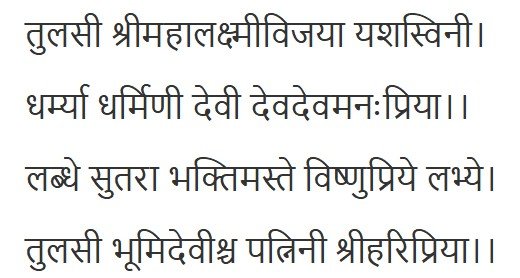
Meaning in English:
“O Goddess Tulsi, embodiment of Sri Mahalakshmi, virtuous and beloved of Lord Vishnu, you bless your devotees with devotion, purity, and divine joy. O Vishnu Priya, consort of Sri Hari, please bestow upon us righteousness, peace, and prosperity.”
Reciting this mantra purifies the environment and fills the home with divine energy.
Tulsi Vivah is one of the most sacred and spiritually uplifting festivals in Hinduism. It not only celebrates the divine marriage of Goddess Tulsi and Lord Vishnu but also serves as a reminder of love, faith, and the eternal bond between the devotee and the divine.
By performing Tulsi Vivah with true devotion, one can bring blessings, peace, and happiness to their family. It is believed that Goddess Tulsi blesses every devotee with prosperity, purity, and protection from negative energies.
So this November 2, 2025, celebrate Tulsi Vivah with your family, decorate your home with flowers and diyas, chant Vishnu mantras, and witness the divine union of Tulsi Mata and Lord Shaligram. Let this sacred occasion mark the beginning of auspicious times in your life.
For more such spiritual, trending, and cultural updates, visit Explore Real News — your trusted source for authentic religious insights and festival guides. Stay connected with www.explorerealnews.com for the latest updates on Indian festivals, astrology, lifestyle, and traditions. Follow us on facebook, Instagram, Linkedln and twitter for regular updates.
